Travel and leisure
Travel is no longer simply about visiting new places—it has evolved into a pursuit of meaningful experiences, personal growth, and conscious choices. Whether you seek the privacy of an exclusive resort, the spiritual renewal of a wellness retreat, or the intellectual stimulation of exploring architectural masterpieces, modern travel offers endless possibilities for those willing to look beyond conventional tourism.
The distinction between ordinary holidays and truly memorable journeys often lies in the details: understanding when a five-star rating genuinely reflects quality, knowing how to bypass crowds at popular destinations, or recognising the impact your tourism spending has on local communities. These nuances transform passive sightseeing into active engagement with the world around you.
This resource explores the multifaceted world of travel and leisure, from luxury escapes and romantic honeymoons to sustainable adventures and cultural immersion. Each section addresses practical considerations whilst highlighting the deeper value these experiences bring to your life. Whether you are planning your first safari honeymoon or your tenth European city break, the insights ahead will help you travel more thoughtfully, more sustainably, and ultimately, more memorably.
What Defines Luxury Travel Beyond Star Ratings?
The concept of luxury travel has undergone a significant transformation in recent years. Where once a gold-plated lobby and uniformed doormen defined opulence, discerning travellers now seek authentic exclusivity and personalised service above superficial grandeur.
A five-star rating, whilst useful as a baseline indicator, tells only part of the story. Properties across Europe demonstrate considerable variation in service quality despite identical classifications. The difference often emerges in the details: staff who remember your preferences from a previous visit, concierge services that secure impossible reservations, or the simple luxury of genuine privacy.
Choosing Between Boutique Hotels and Private Villas
The accommodation decision fundamentally shapes your travel experience. Boutique hotels offer curated atmospheres with professional service, whilst private villas provide unparalleled freedom and space. For romantic getaways, couples often find that villas eliminate the compromises inherent in shared hospitality spaces, though they sacrifice the spontaneity of hotel dining and amenities.
Accessing VIP Services Without the Premium Price
Luxury experiences increasingly exist outside traditional price barriers. Private yacht charters, once exclusively the domain of the ultra-wealthy, now offer day-hire options accessible to middle-income travellers. Similarly, VIP airport services—including fast-track security and private lounge access—can be purchased individually, transforming the travel day from stressful to serene.
The key lies in strategic planning: booking shoulder-season dates, utilising loyalty programmes creatively, and understanding which premium services genuinely enhance your experience versus those that simply inflate costs.
How to Create an Unforgettable Honeymoon Experience?
Honeymoons represent a unique category of travel where emotional significance amplifies every experience. The destination matters far less than the memories created there—which explains the growing trend of couples abandoning traditional beach holidays for more adventurous alternatives.
Beyond the Beach: Unconventional Honeymoon Destinations
Arctic igloos, African safaris, and Asian wellness retreats now compete with Caribbean beaches for newlywed attention. This shift reflects deeper changes in what couples seek from their first married adventure: transformation rather than relaxation, shared challenges rather than passive consumption.
Safari honeymoons exemplify this evolution beautifully. Combining game drives with beach stays creates natural rhythm—active mornings followed by restful afternoons—whilst offering photographic memories that surpass any resort sunset.
Timing and Logistics That Preserve Romance
The most common honeymoon mistake involves overly ambitious itineraries. Exhaustion by day three undermines even the most spectacular destinations. Experienced travel planners recommend building in transition days and choosing flights strategically—early morning departures often correlate with upgrade availability on business class seats.
Seasonal considerations vary dramatically by destination. African safaris offer distinct advantages in both dry season (wildlife concentration around water sources) and green season (fewer tourists, lower prices, newborn animals). The better choice depends entirely on your priorities.
Why Does Sustainable Travel Matter More Than Ever?
Environmental consciousness has evolved from niche concern to mainstream expectation. However, the gap between sustainable intention and sustainable action remains substantial. Understanding this gap—and how to bridge it—transforms well-meaning tourists into genuinely responsible travellers.
Recognising and Avoiding Greenwashing
Not every eco-lodge delivers genuine environmental benefit. Critical evaluation involves examining specific practices: water recycling systems, solar power integration, locally sourced food, and employment of community members. Properties that demonstrate measurable environmental commitments—published carbon footprint data, conservation partnerships, plastic-free operations—merit confidence.
The rewilding movement offers particularly compelling travel options. Estates actively restoring biodiversity provide immersive experiences where your visit directly funds ecological recovery. Scotland’s rewilding projects exemplify this model, offering world-class landscapes alongside tangible conservation impact.
Practical Steps for Lower-Impact Adventures
Sustainable travel involves countless small decisions that collectively create significant impact:
- Choosing trains over cars for scenic routes, particularly across highland regions
- Packing reusable alternatives to single-use plastics
- Selecting accommodation that channels revenue directly to local communities
- Avoiding behaviours—like drone photography in sensitive habitats—that prioritise content over conservation
The so-called Insta-tourist phenomenon highlights how social media incentives can conflict with environmental responsibility. Thoughtful travellers increasingly question whether capturing content justifies disturbing wildlife or damaging fragile ecosystems.
What Makes Wellness Retreats Transformative?
Wellness travel addresses a growing recognition that modern lifestyles create chronic stress with measurable physiological consequences. Destinations like Bali’s Ubud have built entire economies around this need, offering environments specifically designed to restore hormonal balance and mental clarity.
Research suggests that cortisol levels—the primary stress hormone—decrease more rapidly in certain environments. Tropical settings with established wellness infrastructure, daily yoga practice, and clean eating protocols accelerate recovery compared to simply taking time off at home.
Choosing Your Retreat Style
The spectrum ranges from silent meditation retreats to active yoga programmes. Silent retreats suit those seeking deep introspection and digital detox, whilst active programmes appeal to those who recharge through movement and community. Neither approach is superior—effectiveness depends entirely on individual psychology and current stress levels.
Cultural Sensitivity and Integration
Wellness destinations frequently exist within cultures with distinct social norms. Balinese hospitality, for instance, operates according to specific etiquette rules that Western visitors sometimes unknowingly violate. Understanding these customs—around temple visits, physical contact, and spiritual practices—demonstrates respect whilst deepening your cultural experience.
The greater challenge often emerges upon returning home. Maintaining retreat benefits amidst daily commutes and work pressures requires intentional practice: morning routines, breathing techniques, and realistic expectations about gradual reintegration.
How to Experience Cultural Heritage Authentically?
European cities offer unparalleled access to architectural and historical treasures, yet crowds increasingly threaten the quality of these experiences. Venice exemplifies both the problem and potential solutions—a city where strategic timing and local knowledge distinguish magical visits from frustrating ones.
Navigating Venice Beyond the Tourist Traps
The Vaporetto water bus system connects islands that most visitors never discover. Meanwhile, understanding the Sestieri (Venice’s six historic districts) and their relationship to sunlight enables walking routes that capture perfect photography conditions throughout the day.
Dining presents particular challenges. Menu red flags—tourist-language translations, photographs of dishes, proximity to major attractions—reliably indicate establishments prioritising volume over quality. Venetians themselves eat in unmarked neighbourhood restaurants where quality ensures repeat local custom.
Architectural Appreciation Across Europe
Gothic cathedrals continue to inspire awe precisely because their builders understood how structure creates emotional response. Appreciating this architecture fully requires basic understanding of flying buttresses, pointed arches, and the engineering innovations that enabled unprecedented height and light.
Cities like Prague and Vienna offer contrasting Baroque experiences—the former more theatrical, the latter more restrained—whilst both reward visitors who plan walking routes according to landmark concentration and opening hours.
Why Do City Breaks Combine Culture with Indulgence?
Short European breaks represent perhaps the most accessible form of sophisticated travel. A Paris trip via Eurostar demonstrates how strategic planning unlocks luxury experiences within surprisingly modest budgets.
Maximising Value in Luxury Shopping Destinations
Tax-free shopping offers non-EU residents potential savings of twelve percent or more—yet many eligible travellers fail to claim these benefits due to unfamiliarity with procedures. Similarly, heritage fashion houses increasingly offer private appointments to serious shoppers rather than exclusively to celebrities and loyal clients.
The contrast between Paris shopping districts reflects distinct style philosophies. Le Marais attracts those seeking emerging designers and vintage finds, whilst Avenue Montaigne serves traditional luxury sensibilities. Neither is objectively superior—the choice reveals your personal relationship with fashion.
Avoiding Costly Mistakes
Customs limits catch unprepared travellers at border crossings. Understanding duty-free allowances before purchasing prevents unpleasant surprises upon return. Similarly, timing visits to coincide with seasonal sales periods multiplies purchasing power significantly.
Travel and leisure at their best combine adventure with intention, indulgence with responsibility, and discovery with respect. The destinations and experiences explored here represent starting points rather than definitive answers—each traveller must ultimately determine what makes their journeys meaningful. Whether your next trip involves a secluded honeymoon safari, a silent retreat in Bali, or an architectural exploration of Vienna, approaching travel with curiosity and conscientiousness ensures experiences that resonate long after returning home.

How to Plan a Luxury Shopping Trip to Paris via Eurostar for Under £2k
A chic Parisian shopping haul for under £2,000 isn’t about finding bargains; it’s about mastering the art of strategic spending, from insider appointments to crucial tax knowledge. Unlock an extra 12% in savings by correctly navigating the post-Brexit tax-free shopping…
Read more
Where to Find Timeless Architectural Charm in Europe for a Weekend Break?
The true charm of European architecture is not found in a checklist of cities, but in learning to read its intricate visual language. Understand foundational styles like Gothic and Baroque not as historical facts, but as competing philosophies expressed in…
Read more
Venice in August: A Historian’s Guide to Unlocking Its Soul, Without the Crowds
The secret to experiencing Venice in August isn’t avoiding the crowds, but outsmarting them by understanding the city’s invisible systems. Instead of just getting lost, follow a “Helios Itinerary” that uses the sun’s path to find shade and tranquility. Trade…
Read more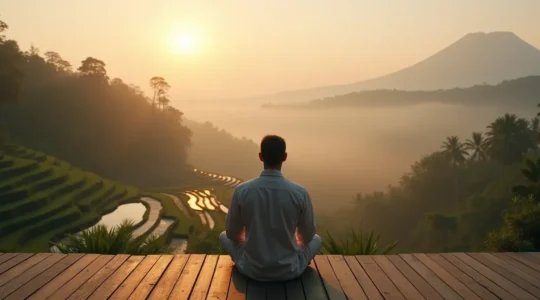
How Can a 10-Day Bali Retreat Reverse Executive Burnout?
A Bali wellness retreat is not a simple vacation; it is a precise neurological recalibration that reverses executive burnout by systematically replacing corporate cognitive load with nature’s restorative complexity. The unique sensory environment of Bali measurably reduces stress hormones like…
Read more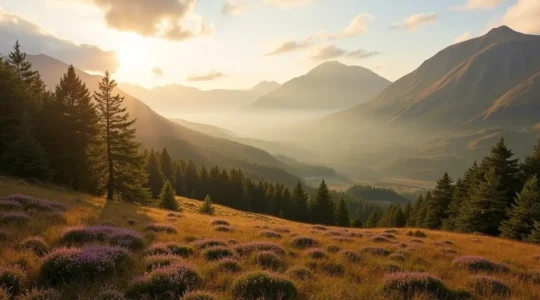
How eco-tourism landscapes in Scotland offer world-class views with low impact?
The most rewarding way to experience Scotland is by shifting from a low-impact mindset to one of active restoration, where your visit directly contributes to the health of its ecosystems and communities. Engaging with rewilding projects allows you to witness…
Read more
How a Unique Honeymoon Setting Creates Memories That Last a Lifetime
The most unforgettable honeymoons aren’t found in brochures; they are co-authored through unique experiences that build the first chapter of your shared story. Swapping passive comfort for a shared, manageable challenge (like the Arctic) forges deeper, more meaningful bonds than…
Read more
The Art of Privacy: A Guide to Choosing Secluded Luxury Travel for Two
The common belief that true luxury privacy is a feature of a specific destination is a myth; it is, in fact, an engineered system you can learn to identify and choose. Privacy is not just about location but about verifiable…
Read more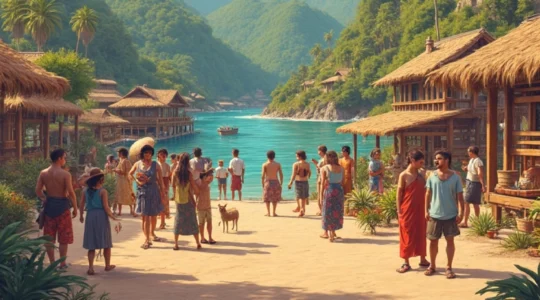
Immerse yourself in local cultural experiences
Cultural immersion has become the holy grail of modern travel, offering a profound way to connect with the heart and soul of a destination. Gone are the days when tourists were content with superficial sightseeing; today’s travelers seek authentic experiences…
Read more
Leisure activities promote mental well-being
In today’s fast-paced world, the importance of leisure activities for mental well-being cannot be overstated. Engaging in enjoyable pursuits outside of work and daily responsibilities offers a multitude of benefits for cognitive function, emotional regulation, and overall mental health. From…
Read more
Escape the routine with quick weekend getaways
In today’s fast-paced world, finding time to recharge and break free from the daily grind can seem like a luxury. However, quick weekend getaways offer a perfect solution for time-strapped professionals seeking adventure and relaxation. These micro-escapes provide an opportunity…
Read more