Real estate and construction
Whether you own a cosy terraced house in Manchester or a detached property in the Home Counties, understanding the intersection of real estate and construction is essential for protecting and growing your investment. Property ownership extends far beyond mortgage payments—it involves strategic decisions about renovations, maintenance timing, and improvements that genuinely add value rather than simply spending money.
The UK property market presents unique challenges and opportunities. From navigating EPC ratings to understanding why certain upgrades yield better returns than others, homeowners and investors alike benefit from a solid grasp of construction fundamentals. This resource covers the essential aspects of property value enhancement, building maintenance, and smart investment approaches that apply whether you’re preparing to sell, building a portfolio, or simply maintaining your home.
Think of your property as a living system where each component—roof, windows, plumbing, interior presentation—works together. Neglecting one area often creates cascading problems elsewhere. Conversely, strategic improvements in the right order can multiply your returns and create a more comfortable, efficient living space.
Which Renovations Actually Add Value to UK Properties?
Not all renovations deliver equal returns. The most common mistake homeowners make is assuming that any improvement automatically increases property value. In reality, the UK market rewards specific upgrades while being largely indifferent to others.
High-Return Improvements
Loft conversions consistently rank among the most profitable UK renovations, potentially adding 10-20% to property value when properly executed. Similarly, kitchen renovations and adding extra bedrooms compete for the top spots, though their relative value depends heavily on your local market and existing property configuration.
The Street Value Ceiling
A critical concept many overlook is the street value ceiling—the maximum price buyers will pay for any property on your road, regardless of improvements. Spending £80,000 on a kitchen extension makes little sense if similar properties nearby sell for £50,000 less than your target price. Before any major project, research comparable sales within a half-mile radius.
Timing Your Renovations
The spring selling season remains the most active period for UK property transactions. Working backwards from your intended listing date, most significant renovations require three to six months of planning, execution, and settling time. Starting too late means either rushing workmanship or missing the optimal selling window entirely.
How Does Home Staging Influence Buyer Decisions?
The psychology of property viewing is remarkably consistent. Buyers form impressions within seconds of arrival, and those first impressions heavily influence final offers. Understanding this psychology helps you present your property optimally without overspending.
Exterior First Impressions
Research suggests that a freshly painted front door can increase viewing requests by approximately 20%. This phenomenon—sometimes called kerb appeal—works because potential buyers often conduct drive-by assessments before booking viewings. A neglected exterior suggests a neglected interior, regardless of reality.
Interior Depersonalisation
Buyers need to imagine themselves living in your space. Family photographs, quirky collections, and bold colour choices create psychological barriers to this imagination. The most effective sellers create a neutral canvas—think greige or warm white walls—that appeals to the broadest possible audience while avoiding the clinical feel of completely empty rooms.
Sensory Details That Matter
Beyond visual presentation, subtle sensory elements influence buyer perception. Unpleasant odours—pet smells, damp, or strong cooking aromas—trigger immediate negative responses that can subconsciously lower offers by thousands of pounds. Similarly, dark hallways create feelings of cramped spaces, easily remedied through strategic lighting choices that cost relatively little to implement.
What Makes a Property Investment Beat Inflation?
Property investment attracts many UK residents seeking alternatives to volatile stock markets and low savings rates. However, successful property investment requires understanding several key principles that separate profitable portfolios from money pits.
Yield Versus Capital Growth
High-yield areas—often characterised by lower property prices and strong rental demand—frequently deliver disappointing capital growth. Conversely, premium locations may offer modest yields but significant long-term appreciation. Your investment strategy should align with your goals: income replacement favours yield, while wealth building typically requires capital growth potential.
Spotting Regeneration Opportunities
The most significant property gains often occur in regeneration zones before mainstream recognition drives prices upward. Indicators include new transport links, commercial development announcements, improved school ratings, and local authority investment programmes. These areas carry higher risk but potentially transformative returns.
Understanding Leasehold Pitfalls
Ground rent clauses represent one of the most dangerous traps for inexperienced investors. Escalating ground rent provisions can render properties effectively unmortgageable, destroying both rental viability and resale potential. Before any leasehold purchase, scrutinise the lease terms carefully—preferably with specialist legal advice.
How Can Energy-Efficient Plumbing Reduce Running Costs?
Water efficiency improvements represent an often-overlooked opportunity for reducing household expenses while increasing property appeal. With water bills rising consistently, efficiency upgrades increasingly influence buyer decisions.
Quick Wins for Immediate Savings
Simple interventions deliver surprising results. Tap aerators—installable in minutes without tools—reduce water flow while maintaining pressure, potentially saving hundreds of litres weekly. Similarly, fixing dripping taps prevents the waste of up to 5,000 litres annually per tap, an environmental and financial drain that accumulates silently.
Fixture Upgrades Worth Considering
- Dual-flush toilets versus low-flow models: both reduce consumption, but dual-flush systems offer flexibility for different waste types
- Power showers: surprisingly expensive to operate, often costing more than traditional baths
- Pipe insulation: maintains water temperature longer, reducing both energy consumption and wait time for hot water
Strategic Replacement Sequencing
When upgrading multiple fixtures, sequence matters for minimising disruption. Generally, work from the water supply inward—addressing any supply-side issues before installing new fixtures prevents damage to new equipment and reduces the need for repeat visits from tradespeople.
What Bathroom Improvements Work Without Full Remodels?
Complete bathroom renovations are disruptive and expensive. Fortunately, targeted improvements can dramatically enhance both functionality and appearance without the upheaval of gutting the entire room.
Resealing bathtubs and showers prevents mould growth and water damage—a weekend project that protects against far more expensive future repairs. Glass screens, while requiring more cleaning than curtains, offer superior hygiene for families and create a more contemporary appearance that appeals to buyers.
Consider also the practical layout issues that frustrate daily use. Toilet positioning that prevents easy cleaning behind the fixture creates ongoing hygiene challenges. Touchless taps, once confined to commercial settings, now offer practical benefits for residential bathrooms—particularly in households with children where hand hygiene matters most.
Why Does Roof Maintenance Prevent Major Structural Costs?
Roofing problems exemplify a crucial construction principle: minor issues ignored become major expenses. A small drip visible inside often indicates damage that has been progressing invisibly for months or years, with water penetrating structural timbers and insulation before becoming apparent.
Proactive Inspection Approaches
Regular visual inspections using binoculars allow homeowners to identify potential problems—slipped tiles, damaged flashing, moss buildup—without climbing ladders. This early detection enables planned repairs rather than emergency interventions that typically cost significantly more.
Material Considerations for UK Weather
Slate and concrete tiles each suit different circumstances. Slate typically offers superior longevity and weather resistance—particularly valuable in exposed western and northern regions—while concrete provides cost-effective performance in more sheltered locations. Whichever material you choose, avoid pressure washing that can crack tiles and void manufacturer warranties.
Insulation Opportunities
Whenever roof work requires tile removal, consider adding warm roof insulation. The marginal additional cost during an existing project is substantially less than a separate insulation installation, and the energy savings compound over decades of ownership.
How Do Window Upgrades Affect Energy Performance?
Window replacement represents one of the most visible home improvements, but the energy efficiency benefits often exceed the aesthetic gains. Understanding the technical aspects helps you make informed decisions.
Understanding U-Values
The U-value of glazing measures thermal transmittance—lower numbers indicate better insulation. Critically, glass performance matters more than frame material for overall efficiency. A premium glass unit in a standard frame outperforms budget glazing in an expensive frame.
Frame Material Choices
The uPVC versus aluminium debate depends largely on location. Coastal properties benefit from aluminium’s superior corrosion resistance, while inland locations often favour uPVC’s lower cost and good thermal performance. Both materials offer decades of service when properly installed.
Installation Quality Matters Most
Even the finest windows fail if poorly sealed. The gap between frame and wall requires careful attention—sealing errors that permit draughts negate much of the efficiency gain from upgraded glazing. When spreading costs by replacing windows over time, prioritise north-facing and most frequently used rooms first for maximum impact.
Condensation on new windows often concerns homeowners, but typically indicates improved sealing rather than a problem. Modern windows trap more warm, moist interior air inside, causing condensation that older, draughtier windows allowed to escape. Adequate ventilation resolves this issue while maintaining energy efficiency benefits.
Understanding these interconnected aspects of real estate and construction empowers better decisions—whether you’re maximising sale value, building an investment portfolio, or simply maintaining your home effectively. Each improvement you consider should be evaluated not in isolation, but as part of the complete property system that determines both living quality and financial value.
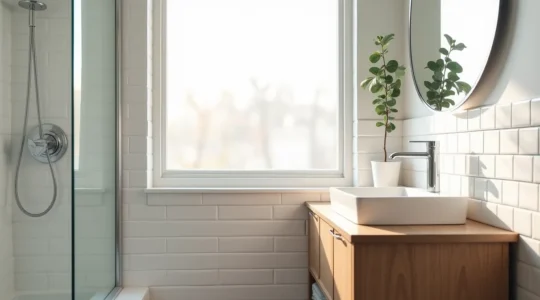
How to Improve Sanitary Functionality in a Small Bathroom Without a Full Remodel?
Upgrading your bathroom’s hygiene and function doesn’t require a messy, full-scale remodel; the most significant gains come from strategically upgrading its underlying ‘hygienic infrastructure’. Focus on high-impact, low-disruption changes like touchless fixtures and flawless sealant application to eliminate common micro-contamination…
Read more
A Landlord’s Technical Guide: Securing an EPC Band C Through Strategic Window Replacement
Meeting the 2025/2028 MEES deadline for an EPC Band C is not guaranteed by simply installing new double-glazing; it requires a technical approach to influence the underlying SAP calculation. The whole-window U-value, not just the glass, is the critical metric,…
Read more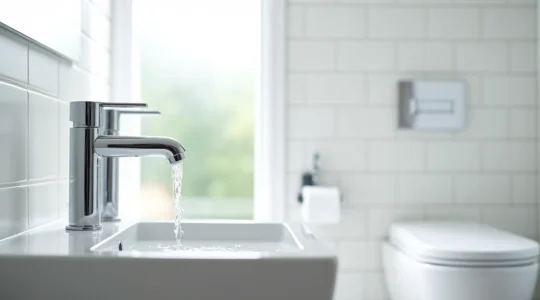
How Energy-Efficient Plumbing Upgrades Cut Your Water Bill by £200/Year
The secret to cutting your water bill isn’t taking shorter showers; it’s making small, one-time hardware upgrades that deliver permanent, passive savings. Replacing inefficient fixtures offers a much higher return on investment (ROI) than relying on changing daily habits. Many…
Read more
How to Choose a Real Estate Asset That Beats Inflation Over 10 Years?
The key to beating inflation with property is not buying a single ‘good’ asset, but building a strategically sequenced portfolio that balances growth, income, and risk. High-yield properties often sacrifice long-term capital growth, creating a dangerous trap for beginners. Identifying…
Read more
How Much Does Double Glazing Improve an EPC Rating for a UK Rental Property?
Upgrading to double glazing alone is often an inefficient and insufficient strategy for achieving the mandatory EPC Band C rating for rental properties. Cost-per-SAP-point analysis reveals that loft and cavity wall insulation typically offer a significantly greater return on investment…
Read more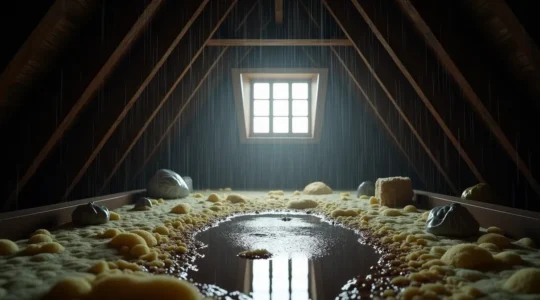
Why Ignoring Minor Leaks Leads to £10k in Structural Roof Repairs?
A small damp patch isn’t a minor problem to fix later; it’s the visible symptom of a major structural failure already in progress. Water ingress silently destroys timber rafters and insulation long before a drip appears. The cost of inaction…
Read more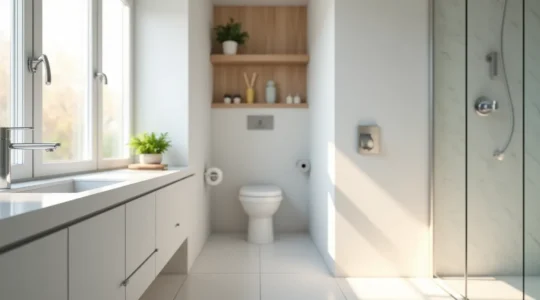
How to Improve Sanitary Functionality in a Small Bathroom Without a Full Remodel?
In summary: Focus on targeted, high-impact upgrades rather than purely cosmetic changes to solve core functional problems. Improve hygiene by controlling moisture with proper sealing, non-porous materials like glass screens, and touchless technology. Optimize your project’s sequence to replace fixtures…
Read more
How to Boost Your Home’s Resale Market Value by £5k in One Weekend?
In summary: Focus on high-ROI “sensory staging”—influencing what buyers see, feel, and smell—over costly renovations. A freshly painted front door, depersonalised interiors, and a strategic neutral colour palette create immediate perceived value. Eliminating odours (don’t just mask them) and mastering…
Read more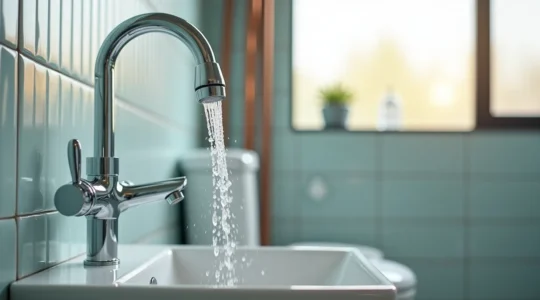
How Energy-Efficient Plumbing Upgrades Cut Your Water Bill by £200/Year?
The key to cutting utility bills isn’t just using less water—it’s eliminating the hidden financial drains engineered into your home’s plumbing system. Small fixes like fixing a hot water drip can save up to £200 annually, while tap aerators can…
Read more
Which Essential Home Renovations Add the Most Asset Valuation in the UK Market?
The biggest mistake UK homeowners make isn’t choosing the wrong renovation, but funding projects that push their property’s value beyond what the local market will ever pay. Loft conversions and kitchen-diner extensions offer the highest ROI, often adding up to…
Read more