
You’ve probably heard the pitch: probiotics can “boost your immunity”. But last week, when I reviewed the latest research for a health workshop in Leeds, the reality proved more nuanced. While about 24% of people taking probiotics may avoid upper respiratory infections according to Cochrane systematic review 2022, the mechanisms linking gut bacteria to immune defence remain surprisingly complex—and strain-specific. Let me walk you through what actually happens when these microorganisms meet your immune cells, and more importantly, what doesn’t.
The 30‑second version: 4 things worth knowing
- Probiotics work through strain-specific mechanisms—not all Lactobacillus are equal
- Evidence shows modest benefits: around 1.2 fewer sick days per respiratory infection
- Safety matters: immunocompromised individuals need medical advice first
- Food sources vary wildly in live culture counts; supplements need proper storage
Here’s what frustrates me about the probiotic conversation: everyone wants to know if they “work”, but hardly anyone asks “which strain, for whom, and under what conditions”. The immune system isn’t a muscle you can simply pump up with bacteria. It’s more like an orchestra that needs proper tuning, not just more volume.
I learned this firsthand when I met Hannah, a primary school teacher from South London, during a nutrition workshop near Clapham Common on a particularly dreary evening last March. She’d been catching every cold going around her classroom, sleeping poorly, and decided to “boost” her immunity with a probiotic. Five days in, the bloating hit hard. She quit, thinking probiotics “didn’t suit her”. We talked through a gentler restart with fermented foods plus fibre, and she eventually found her rhythm—though she still gets the occasional sniffle. This observation is limited to one person’s experience and can vary based on gut health starting point and product quality.
The gut–immune link in plain English (without the hype)
To be honest, saying probiotics “boost” immunity misses the point entirely. Your immune system doesn’t need boosting—an overactive immune response gives you allergies and autoimmune conditions. What you want is immune balance, and that’s where the gut microbiome enters the picture.
The connection works through three main pathways. First, your gut barrier—those tight junctions between intestinal cells—acts as border control. When functioning properly, it keeps potentially inflammatory substances from leaking into your bloodstream. Certain probiotic strains can reinforce these junctions, though the effect varies wildly between individuals.
Second, beneficial bacteria produce short-chain fatty acids (SCFAs) when they ferment dietary fibre. Butyrate, the star player here, influences regulatory T cells (Tregs) that calm excessive immune responses. According to the NIH dietary supplements database, these metabolites contribute to “cytokine production, specific immunomodulatory activities, and effects on the endocrine and nervous systems”—but crucially, this happens in a strain-specific manner.
The third pathway involves immunoglobulin A (IgA), your mucosal immune system’s first line of defence. Some probiotic strains can stimulate IgA production, theoretically improving your ability to neutralise pathogens before they cause trouble. But here’s the catch: mechanistic plausibility doesn’t equal clinical certainty.
What drives me up the wall is when supplement labels promise “immune support” without specifying which strain they contain or how it supposedly works. If the mechanism isn’t clear, you’re buying hope, not science.
What studies suggest probiotics can (and can’t) do for immune outcomes
Let’s talk actual numbers. The most comprehensive evidence comes from systematic reviews analysing multiple trials. When researchers pool data from well-designed studies, patterns emerge that individual trials might miss.
The Cochrane review from 2022 analysed 24 studies with nearly 7,000 participants. The results? Probiotics “likely reduce the number of people diagnosed with at least three URTIs by about 41%”, and may shorten infection duration by roughly 1.2 days. They also found a 42% reduction in antibiotic use for respiratory infections. These aren’t miraculous numbers, but they’re not nothing either.
1.22
days
Average reduction in upper respiratory infection duration with probiotics
But—and this is crucial—these benefits depend heavily on the specific strains used, the dose, and the population studied. A combination of Lactobacillus acidophilus and Bifidobacterium bifidum might show promise in one trial, while Lactobacillus rhamnosus GG performs differently in another. The evidence for probiotic effects on the immune system varies considerably between products, making strain identification essential.

Mark’s case illustrates why context matters. I helped him read supplement labels during a community wellness drop-in session in Manchester (the room had an overheating radiator and smelled perpetually of filter coffee). Post-antibiotic, his gut was in turmoil, and he’d bought a probiotic with no strain information—just “contains beneficial bacteria”. Worse, he’d been storing it in his hot car. Without knowing the strain or ensuring viability, we couldn’t connect his purchase to any evidence base. He switched to a properly labelled product with storage instructions, though his symptoms persisted enough to warrant a GP visit. This example reflects one situation and outcomes vary based on antibiotic type and individual gut recovery.
The evidence gets murkier for other immune outcomes. Some studies suggest probiotics might influence vaccine response or reduce allergy symptoms, but the quality of evidence drops significantly. For autoimmune conditions? The research is too preliminary to make recommendations.
Picking an immune-focused probiotic without guessing
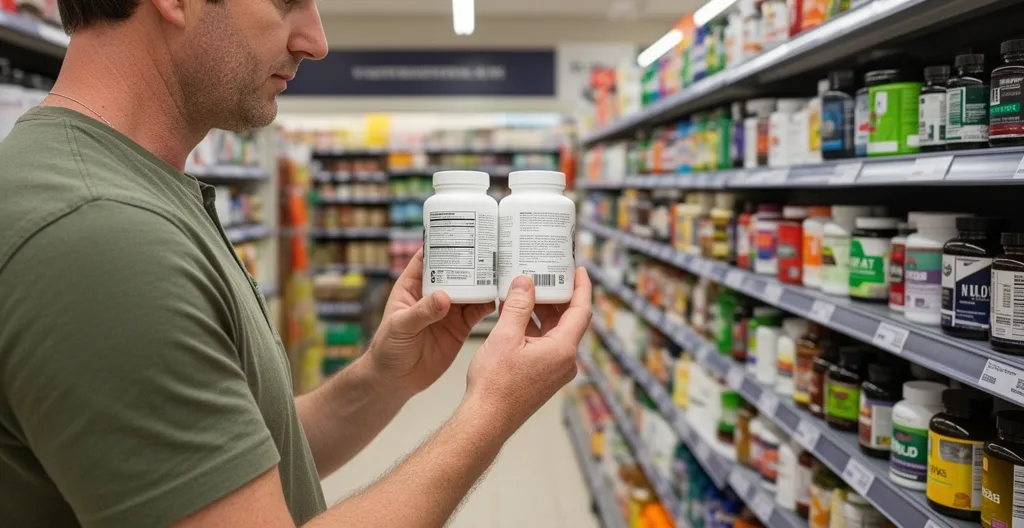
If the strain isn’t named on the label, I’d pass. That’s my baseline rule, and it eliminates about 40% of products right off the bat. You need the full designation—genus, species, and strain code. “Contains Lactobacillus” tells you as much as “contains dog” when you’re looking for a specific breed.
Strain matters: what ‘Lactobacillus’ alone doesn’t tell you
Think of bacterial strains like dog breeds. All golden retrievers are dogs, but not all dogs are golden retrievers. Similarly, Lactobacillus rhamnosus GG has specific properties that Lactobacillus rhamnosus LR-32 doesn’t share. The studies showing immune benefits tested particular strains at specific doses. Without that information, you’re gambling.
Well-studied strains for respiratory health include Lactobacillus rhamnosus GG, Lactobacillus casei DN-114001, and Bifidobacterium animalis ssp. lactis BB-12. These appear repeatedly in clinical trials, though results still vary by population and context.
Dose, viability, and storage: the boring bits that decide results
Colony-forming units (CFUs) measure viable bacteria capable of multiplying. Most studies showing benefits use doses between 1 billion and 10 billion CFUs daily. More isn’t automatically better—some strains work at lower doses, others need higher counts.
Storage matters enormously. Live bacteria die when exposed to heat, moisture, or simply time. If a product doesn’t specify storage requirements or lacks an expiry date, those bacteria might be dead on arrival. Refrigerated products often maintain viability better, though some strains are specifically selected for shelf stability.
Food, supplements, or synbiotics: which route fits your life
Fermented foods—yogurt, kefir, sauerkraut, kimchi—provide probiotics alongside other nutrients. The downside? Variable and often undocumented bacterial counts. A serving of commercial yogurt might contain anywhere from 1 million to 1 billion CFUs, and you won’t know which strains.
Supplements offer standardisation but cost more. Synbiotics combine probiotics with prebiotics (food for the bacteria), theoretically improving colonisation. The evidence for synbiotic superiority remains mixed, despite the logical appeal.
A quick decision path: food first, supplement, or GP chat?
-
If you tolerate dairy and want general gut health support:
Start with fermented foods daily (yogurt, kefir) plus diverse fibre. Monitor for 2-3 weeks.
-
If you’re recovering from antibiotics or frequent infections:
Consider a documented strain supplement (check Cochrane/NIH for evidence). Start low dose.
-
If you’re immunocompromised, pregnant, or have chronic conditions:
Speak to your GP first. Some populations face rare but serious risks.
How to take probiotics: a realistic 5-step routine
Most people approach probiotics backwards. They buy first, then wonder why they feel worse initially, then quit after a week claiming “it didn’t work”. Here’s a more sensible approach based on what I see go wrong repeatedly.
Before you start: define a measurable goal (and your stop rules)
What exactly are you trying to achieve? “Better immunity” is too vague. Try: “Reduce my winter colds from 4 to 2” or “Recover normal bowel habits after antibiotics within 3 weeks”. Write it down. Also decide upfront: if you develop severe symptoms or no improvement after 4 weeks, you’ll stop and reassess.
Aisha’s email after reading one of my articles captures a common trap. She described her chaotic Birmingham kitchen with bottles on the draining board, asking for a personalised probiotic recommendation to “avoid nursery germs” for her child. I can’t and won’t prescribe—that’s your GP’s job. But I explained the framework: hygiene first, then sleep and nutrition, then consider probiotics only if those basics are covered and you’ve discussed any medical conditions with a clinician. This reflects general principles; individual needs require professional assessment.
Week 1–2: what ‘normal’ side effects can look like
Digestive changes are common initially. Gas, bloating, altered bowel movements—these typically settle within days to two weeks. Start with half the recommended dose if you’re sensitive. Take probiotics with food to buffer stomach acid unless the label specifies otherwise.
Track symptoms simply: normal, better, or worse each day. If symptoms worsen progressively or you develop fever, rash, or severe discomfort, stop immediately and seek medical advice.
Week 3–4: how to judge if it’s worth continuing
After three weeks, you should notice… something. Perhaps fewer digestive issues, or you didn’t catch the cold going around the office. The changes are rarely dramatic. According to NHS probiotics guidance, “For most people, probiotics appear to be safe” but effects vary significantly between individuals.
Your 5-step probiotic setup (copy/paste)
-
Check safety first
Review NHS guidance if you have health conditions. Immunocompromised? GP consultation essential.
-
Choose a documented strain
Match the strain on the label to clinical evidence (search strain code + “clinical trial”).
-
Start at half dose with food
Begin with 50% of recommended amount for 3-4 days, then increase if tolerated.
-
Track for 3-4 weeks
Note digestive comfort, infection frequency, energy. Assess at week 3.
-
Adjust or stop based on results
Continue if improving, stop if no change after 4 weeks or adverse effects occur.

My take (for what it’s worth): most people would benefit more from improving their baseline diet—diverse plants, fermented foods, adequate sleep—before adding supplement complexity. Probiotics can be a useful tool, but they’re not magic bullets for poor lifestyle habits.
Your questions about probiotics and immunity
The 5 doubts people keep asking (and the honest answers)
If I’m healthy, do I even need probiotics?
Probably not urgently. If you eat varied fermented foods and fibre, your gut microbiome likely maintains itself. Probiotics become more relevant during disruptions: antibiotics, travel, illness, or persistent digestive issues.
Can I take probiotics while on antibiotics?
Generally yes, but timing matters. Take probiotics at least 2 hours apart from antibiotics to avoid the antibiotic killing the probiotic. Some evidence suggests this may reduce antibiotic-associated diarrhoea, though results vary by antibiotic type and probiotic strain.
Are probiotics safe for children?
For healthy children, specific strains have good safety records. However, premature infants and children with compromised immunity need medical supervision. Always check age recommendations on products and discuss with your paediatrician if your child has health conditions.
How quickly should probiotics work for immunity?
Don’t expect overnight changes. Digestive effects might appear within days, but immune-related benefits (fewer infections, shorter illness duration) only become apparent over months. Most trials run 12+ weeks to detect differences in infection rates.
What’s the difference between probiotics and prebiotics?
Probiotics are live bacteria you consume. Prebiotics are fibres that feed beneficial bacteria already in your gut. Think of probiotics as adding new players to your gut ecosystem, while prebiotics support the existing team. Both matter for immune function through different mechanisms.
What to remember and where to start
Your action checklist for immune-focused probiotics
-
Review your current diet: are you getting fermented foods and 25-30g fibre daily?
-
If considering supplements, verify the strain matches clinical evidence
-
Start gradually and track changes for at least 3 weeks before judging effectiveness
Rather than chasing the perfect probiotic, consider this: your immune system reflects your overall health patterns. Sleep quality, stress management, dietary diversity, and holistic care for overall wellness often matter more than any single supplement. Probiotics can support immune function through specific gut pathways, but they work best as part of a broader health strategy, not as standalone solutions.
And here’s my parting thought: if a probiotic label doesn’t tell you exactly which strains it contains, you’re not buying science—you’re buying marketing. Demand better from manufacturers, ask your pharmacist specific questions, and remember that the benefits of alternative medicine emerge strongest when combined with evidence-based choices. Your gut and immune system will thank you for the thoughtful approach.