Home and garden
Your home is far more than a collection of rooms and furniture. It is where you work, rest, recharge and spend the majority of your waking hours. Research consistently suggests that the average person spends approximately 90% of their time indoors, making the quality of our living spaces profoundly influential on our physical health, mental clarity and overall happiness.
Yet many homeowners and renters approach interior decisions reactively—purchasing a sofa because it looks appealing in a showroom, positioning a desk wherever it fits, or painting walls in trending colours without considering how they interact with available light. These seemingly minor choices compound over time, creating spaces that work against us rather than for us.
This resource explores the fundamental principles that transform ordinary houses into genuinely supportive homes. From ergonomic considerations that protect your spine during long working hours, to space optimisation techniques that make compact flats feel expansive, to honouring the architectural character of period properties whilst meeting modern needs—each element interconnects to create living environments where both body and mind can thrive.
Why Ergonomics Should Drive Your Interior Decisions
The shift toward remote and hybrid working has fundamentally changed how we use our homes. What was once a place primarily for relaxation now serves as office, gym and social hub simultaneously. This transformation demands a rethinking of furniture selection and room arrangement that prioritises physical wellbeing alongside visual appeal.
The Hidden Cost of Comfortable-Looking Furniture
That plush, deep-seated sofa that felt wonderful in the shop may be systematically damaging your lower back. Furniture designed purely for aesthetic appeal often lacks the lumbar support necessary for extended sitting. Similarly, positioning a laptop on a coffee table or kitchen counter forces your neck into angles that accumulate strain over months and years.
Ergonomic principles—once confined to corporate offices—now belong at the heart of residential design. Key considerations include:
- Monitor or screen height aligned with natural eye level to prevent neck strain
- Chair seat depth that supports thighs without pressing behind knees
- Keyboard positioning that keeps wrists neutral during typing
- Adequate task lighting that reduces eye fatigue during focused work
Gaming Chairs, Office Chairs and the 8-Hour Question
Not all ergonomic solutions are equal. Gaming chairs, despite aggressive marketing, often prioritise aesthetics and brand appeal over genuine spinal support. Traditional office chairs with adjustable lumbar mechanisms, seat depth controls and proper armrests typically outperform their gaming counterparts for sustained work sessions. When your body must remain seated for eight hours daily, investing in proven ergonomic design pays dividends in comfort and long-term health.
The Subtle Workspace Mistakes Affecting Focus
Beyond physical discomfort, workspace arrangement influences concentration in ways that operate below conscious awareness. Desk positioning relative to windows, visual clutter in peripheral vision, and even lighting colour temperature all affect cognitive performance. Proper task lighting also ensures you appear professional during video calls—a small detail with significant implications for remote workers.
Maximising Every Square Metre in Compact Spaces
UK housing presents unique challenges. With average dwelling sizes among the smallest in Europe, the art of space optimisation becomes essential rather than optional. The good news: strategic thinking often matters more than actual square footage.
Vertical Storage and Overlooked Spaces
Most homeowners think horizontally when considering storage, overlooking vast potential above eye level. The space above doorways, the upper reaches of wardrobes, and wall-mounted solutions can dramatically increase capacity without consuming precious floor space. In one-bedroom flats especially, vertical thinking transforms cramped quarters into surprisingly spacious-feeling homes.
Consider these commonly neglected storage opportunities:
- Above-door shelving for seasonal items and rarely used belongings
- Ceiling-height wardrobes utilising the full room height
- Wall-mounted floating shelves replacing floor-standing furniture
- Under-bed storage systems for linens and off-season clothing
Furniture Selection That Serves Multiple Purposes
A sofa bed sounds practical in theory, but many function poorly as both sofa and bed. The key lies in mechanism quality and mattress depth—attributes worth prioritising over aesthetic considerations when space demands dual-function furniture. Testing before purchasing, particularly for sleep comfort, prevents costly mistakes.
Open shelving versus closed cabinets represents another crucial decision. Contrary to intuition, open shelving can make rooms feel larger by creating visual depth, but only when contents remain meticulously organised. Cluttered open shelves achieve the opposite effect, making closed storage the wiser choice for those unable to maintain museum-level curation.
Layout Principles That Create Flow
Furniture arrangement errors consistently plague small rooms. Pushing all furniture against walls—seemingly logical for maximising floor space—often creates awkward, uninviting environments. Strategic floating of furniture pieces, clear pathways between functional zones, and proper scaling relative to room proportions create perceived spaciousness regardless of actual dimensions.
When tackling multiple rooms, sequence matters. Starting with the space you use most frequently generates immediate psychological reward, building momentum for subsequent projects rather than spreading effort thin across the entire home.
Honouring Period Character in Victorian and Heritage Homes
Period properties—particularly Victorian homes abundant throughout UK towns and cities—present a distinctive design challenge: honouring architectural heritage whilst accommodating contemporary lifestyles. The solution rarely lies at either extreme of museum-like preservation or wholesale modernisation.
Original Features Worth Protecting
Certain period elements carry both aesthetic and financial value. Original cornicing, ceiling roses, fireplaces and wooden flooring represent craftsmanship difficult and expensive to replicate today. Removing these features—sometimes tempting during renovation—typically devalues properties whilst erasing irreplaceable character that distinguishes period homes from new builds.
Non-working fireplaces deserve special consideration. Rather than removing or ignoring them, thoughtful styling transforms these architectural remnants into focal points that anchor entire room designs and provide visual warmth even without flames.
Mixing Eras Successfully
Period properties need not become time capsules frozen in their construction decade. Mid-century modern furniture, with its clean lines and functional elegance, often complements Victorian architectural bones beautifully. The key lies in respectful contrast—allowing contemporary pieces to converse with original features rather than compete against them for attention.
Paint Colours and the Light Question
Heritage paint palettes exist for good reason: they evolved alongside the natural light conditions and architectural proportions of their era. Modern bright colours can work in period settings but require careful consideration of how they interact with typically smaller windows and north-facing orientations common in Victorian terraces. Testing paint samples across different times of day reveals how colours transform under changing light conditions.
Avoiding Trend-Driven Mistakes
Social media platforms accelerate trend cycles, tempting homeowners toward choices that feel current but date rapidly. In period properties especially, trend-chasing creates jarring dissonance between permanent architectural elements and temporary decorative fashions. Investing in timeless foundational choices—quality furniture, appropriate paint tones, period-sympathetic fixtures—while reserving trend experimentation for easily changed accessories protects both aesthetic coherence and resale value.
Mastering Light for Health, Mood and Atmosphere
Light influences human physiology more profoundly than most people realise. Beyond enabling vision, light exposure patterns regulate circadian rhythms, affecting sleep quality, energy levels and even mental health. In the UK, where winter daylight hours are severely limited, strategic light management becomes particularly consequential.
Natural Light and Seasonal Wellbeing
Seasonal Affective Disorder affects a significant portion of the population, with symptoms ranging from mild winter lethargy to clinical depression. Maximising natural light exposure during daylight hours represents a frontline intervention. This involves both interior strategies—positioning mirrors to bounce light into dark corners, selecting window treatments that balance privacy against light transmission—and exterior awareness.
Overgrown garden vegetation frequently steals up to 30% of natural light from ground-floor rooms, a problem easily remedied once identified through thoughtful pruning and plant selection. Voiles versus blinds represents a common dilemma: voiles diffuse harsh sunlight whilst maintaining brightness, whereas blinds offer superior darkness when needed but reduce daytime light when closed for privacy.
Artificial Light and Sleep Quality
After sunset, light strategy reverses entirely. Blue-enriched light from screens and cool-toned LED bulbs suppresses melatonin production, delaying sleep onset and reducing overall sleep quality. Transitioning to warm, dim lighting in evening hours supports natural circadian wind-down and prepares the body for restorative rest.
Layering Light for Evening Ambiance
Effective artificial lighting rarely comes from a single source. Professional-looking spaces layer three distinct types:
- Ambient lighting provides general room illumination and sets the foundational brightness level
- Task lighting delivers focused light for specific activities like reading or cooking
- Accent lighting highlights architectural features, artwork or decorative elements
The sequence of activation matters—beginning with warm ambient light, adding task lighting as needed, and using accent lighting sparingly creates sophisticated atmospheres impossible to achieve with overhead fixtures alone.
Creating a home that genuinely supports your wellbeing requires thinking beyond isolated purchasing decisions. Ergonomics, space optimisation, architectural respect and light management interweave to create environments where daily life becomes easier and more pleasurable. Your working patterns, health considerations and aesthetic preferences will individualise the optimal approach, but what unites successful home environments is intentionality—making choices based on how spaces will function and feel rather than simply how they photograph. With thoughtful application of these fundamentals, even modest spaces can become genuine sanctuaries that protect your health and lift your spirits through every season.
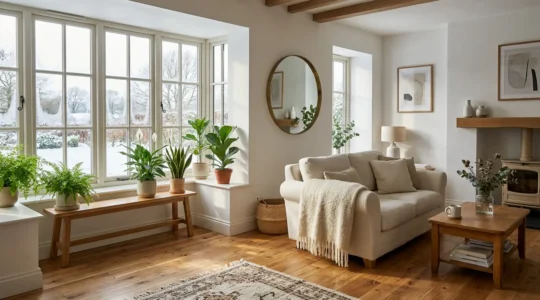
Rewire Your Home for Happiness: A Biophilic Guide to Natural Light for Beating the UK Winter Blues
Beating the winter blues isn’t about simply adding more light; it’s about choreographing the *right light at the right time* to reset your internal body clock. Maximise high-intensity, blue-spectrum natural light before 10 a.m. to suppress sleep hormones and boost…
Read more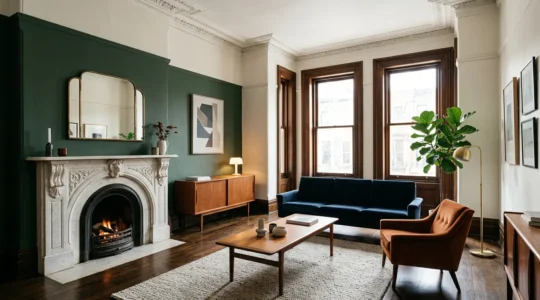
How to Curate a Design Style That Honours Your Victorian Property’s Soul?
The key to a successful Victorian-modern blend isn’t ‘mixing’ styles, but learning to speak your home’s unique ‘architectural grammar’ to create a timeless and personal narrative. Preserving original features like cornicing is not just about aesthetics; it’s about retaining the…
Read more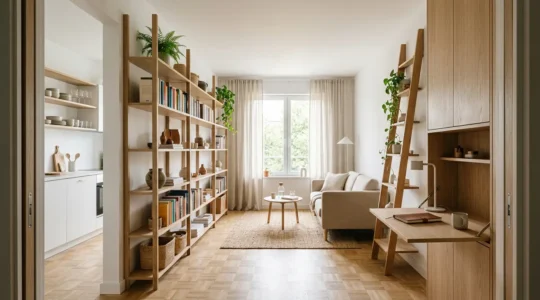
How to Optimize Living Space in a 1-Bedroom Flat Using Vertical Storage?
The common advice to simply “add more shelves” misses the point of living well in a small space. True spatial optimization is not about cramming in more storage; it’s about re-architecting your perception of space. This guide reveals how to…
Read more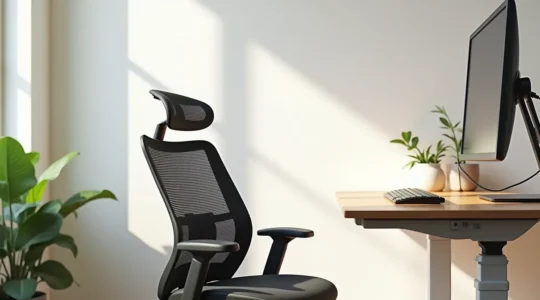
How to Design an Ergonomic Home Office That Boosts Focus and Ends Back Pain
In summary: Your home office setup directly impacts both physical pain and mental focus through physiological and cognitive ergonomics. Achieving correct posture involves more than a good chair; it requires aligning your entire workstation—seat, screen, and desk—to support your body’s…
Read more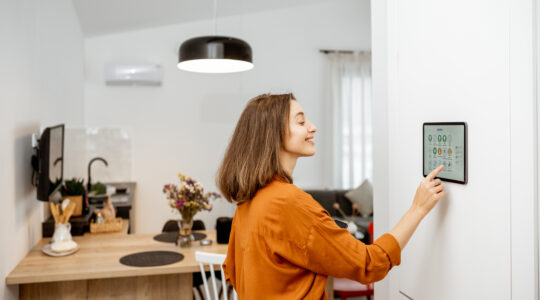
How smart home appliances are transforming everyday comfort and energy efficiency ?
Your energy bills climbed again last quarter. The radiators blast heat in rooms nobody uses. The kitchen feels stuffy while the living room stays cold. Sound familiar? These frustrations push thousands of UK homeowners toward smart appliances every year—but the…
Read more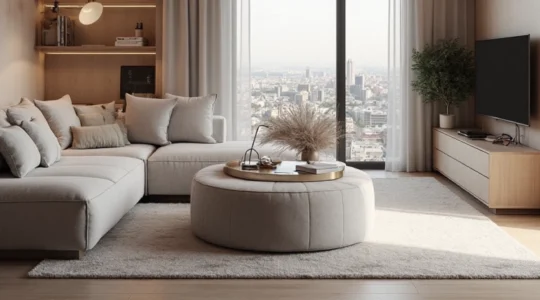
Space optimization strategies for small apartments
Living in a small apartment presents unique challenges, but it also offers exciting opportunities for creative space utilization. As urban living becomes increasingly popular, mastering the art of maximizing limited square footage is essential. By implementing smart design choices and…
Read more
Upgrade your house with smart home gadgets
Smart home technology has revolutionized the way we interact with our living spaces. From voice-controlled assistants to energy-efficient thermostats, these innovative gadgets are transforming houses into intelligent, responsive environments. As the Internet of Things (IoT) continues to expand, homeowners now…
Read more
Plant care builds mindfulness and responsibility
In today’s fast-paced world, finding moments of tranquility and personal growth can be challenging. However, an often overlooked avenue for cultivating mindfulness and responsibility lies in the gentle art of plant care. By nurturing green companions, individuals can develop a…
Read more